

Introduction
Artificial intelligence is moving toward autonomous systems that can plan, reason, and act. Over the last two years, the concept of AI agents has become one of the fastest-growing areas in the AI ecosystem. Among the platforms gaining attention in this space is OpenClaw, a framework designed to build, orchestrate, and deploy intelligent AI agents.
While many developers are familiar with tools like LangChain or AutoGPT, OpenClaw is gaining traction because it focuses on structured agent design, multi-agent collaboration, and production-ready workflows.
This article explores the history of OpenClaw, how it emerged, and why it has suddenly become a major discussion point in the AI world.
The Rise of AI Agents
To understand OpenClaw, we first need to understand the AI agent movement.
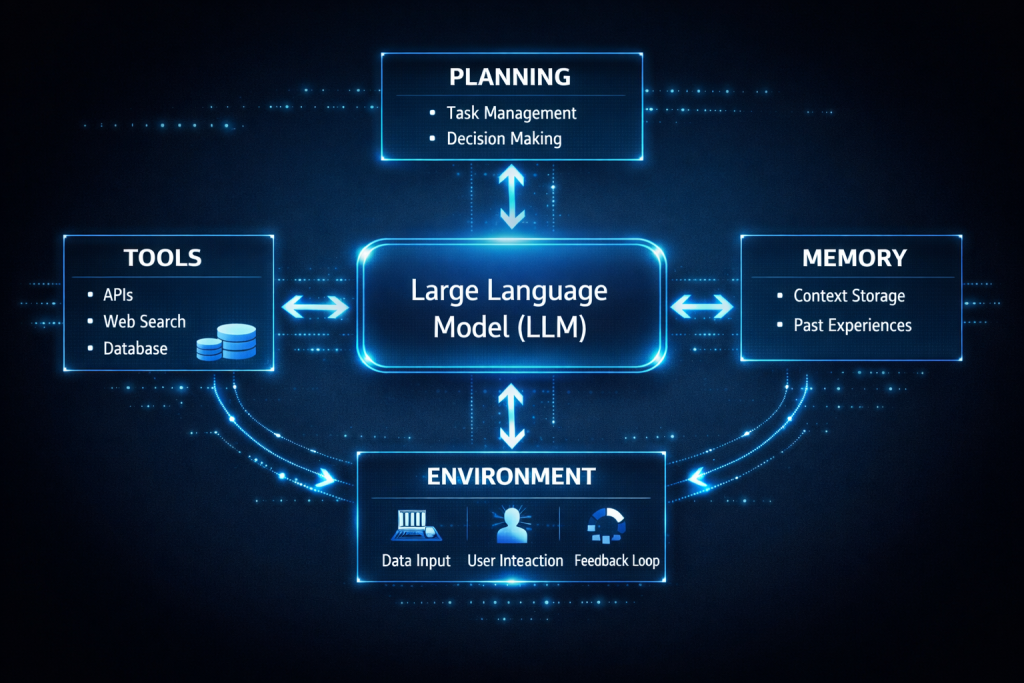
When large language models like GPT-3 and GPT-4 became widely used, developers realized these models could do more than answer questions. With the right architecture, they could break down tasks, plan steps, use tools, execute actions, and learn from outputs.
This led to the creation of AI agents systems that combine large language models with tools, memory, and reasoning capabilities.
Early frameworks experimenting with this idea included AutoGPT, BabyAGI, and LangChain agents. However, many of these tools were experimental and difficult to scale in real production environments. Developers needed something more structured, which paved the way for platforms like OpenClaw.
The Birth of OpenClaw
OpenClaw emerged as a response to the growing complexity of AI agent systems.
Instead of writing messy prompt chains or fragile scripts, OpenClaw focused on creating a clear architecture for building AI agents. Its core philosophy is to treat AI systems like modular software components rather than simple prompt pipelines.
OpenClaw introduced a structured way to design systems where agents have defined roles, tasks are clearly distributed, and workflows can scale to multiple cooperating agents.
This made it easier to build applications such as automated research assistants, marketing automation systems, content generation pipelines, data analysis agents, and customer support bots.
How OpenClaw Works
OpenClaw organizes AI workflows into modular components.
Agents: AI entities responsible for completing specific tasks, such as research, strategy creation, or content writing.
Tools: Agents can use external tools like APIs, databases, web search, or code execution environments.
Memory: Agents can store and recall previous information, enabling long-running workflows and better reasoning.
Orchestration: Multiple agents can collaborate in structured workflows, allowing systems to handle complex tasks more effectively.
Why OpenClaw Is a Hot Topic Right Now
OpenClaw is gaining attention because it aligns with several major AI trends.
First, the industry is shifting from chatbots toward autonomous AI systems that can complete tasks rather than just respond to prompts.
Second, multi-agent collaboration is becoming a popular architecture where specialized agents work together to solve problems.
Third, OpenClaw provides a developer-friendly architecture with modular workflows, making it easier to build production-ready AI systems.
Finally, the explosion of AI automation across industries has increased demand for frameworks that can orchestrate complex workflows using intelligent agents.
Real-World Use Cases
Developers are using OpenClaw to build a variety of systems.
- AI marketing agents that analyze trends and generate campaigns.
- Research assistants that gather and summarize information.
- Sales automation tools that identify leads and draft outreach messages.
- Data analysis agents that clean data and generate insights.
- Content production pipelines that handle research, writing, editing, and publishing automatically.
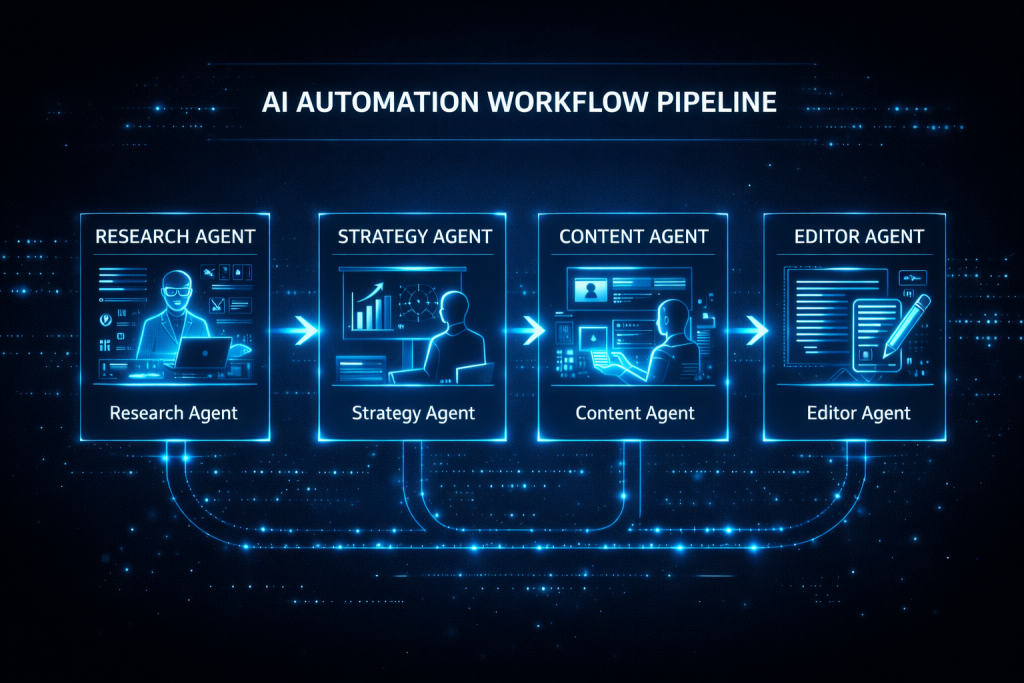
These applications demonstrate how OpenClaw enables practical AI automation beyond simple chat interfaces.
Challenges and Limitations
Despite the excitement, building AI agent systems still comes with challenges.
Developers must manage model reliability, control hallucinations, debug complex agent interactions, and monitor API costs.
OpenClaw simplifies architecture, but careful system design and monitoring are still essential for production deployments.
Conclusion
OpenClaw represents an important shift in how developers build AI systems.
Instead of using AI only for generating text or answering questions, platforms like OpenClaw enable the creation of structured, autonomous agent systems capable of performing complex tasks.
With its focus on modular architecture, multi-agent collaboration, and workflow automation, OpenClaw has quickly become a hot topic in the AI development community.
As the AI ecosystem continues to evolve, frameworks like OpenClaw may play a key role in shaping the next generation of intelligent automation systems.

Leave a Reply