
Introduction
Agentic AI is a type of AI that can work towards a goal with supervision. It does this by planning, choosing actions using tools and checking its progress. This is different from chatbots that only reply to what you say. Agentic systems can do things across steps and complete tasks like research automating workflows and helping with decisions.
For people who are just starting out the main idea is easy to understand: generative Artificial Intelligence creates things. Agentic Artificial Intelligence takes action.
Key Insight
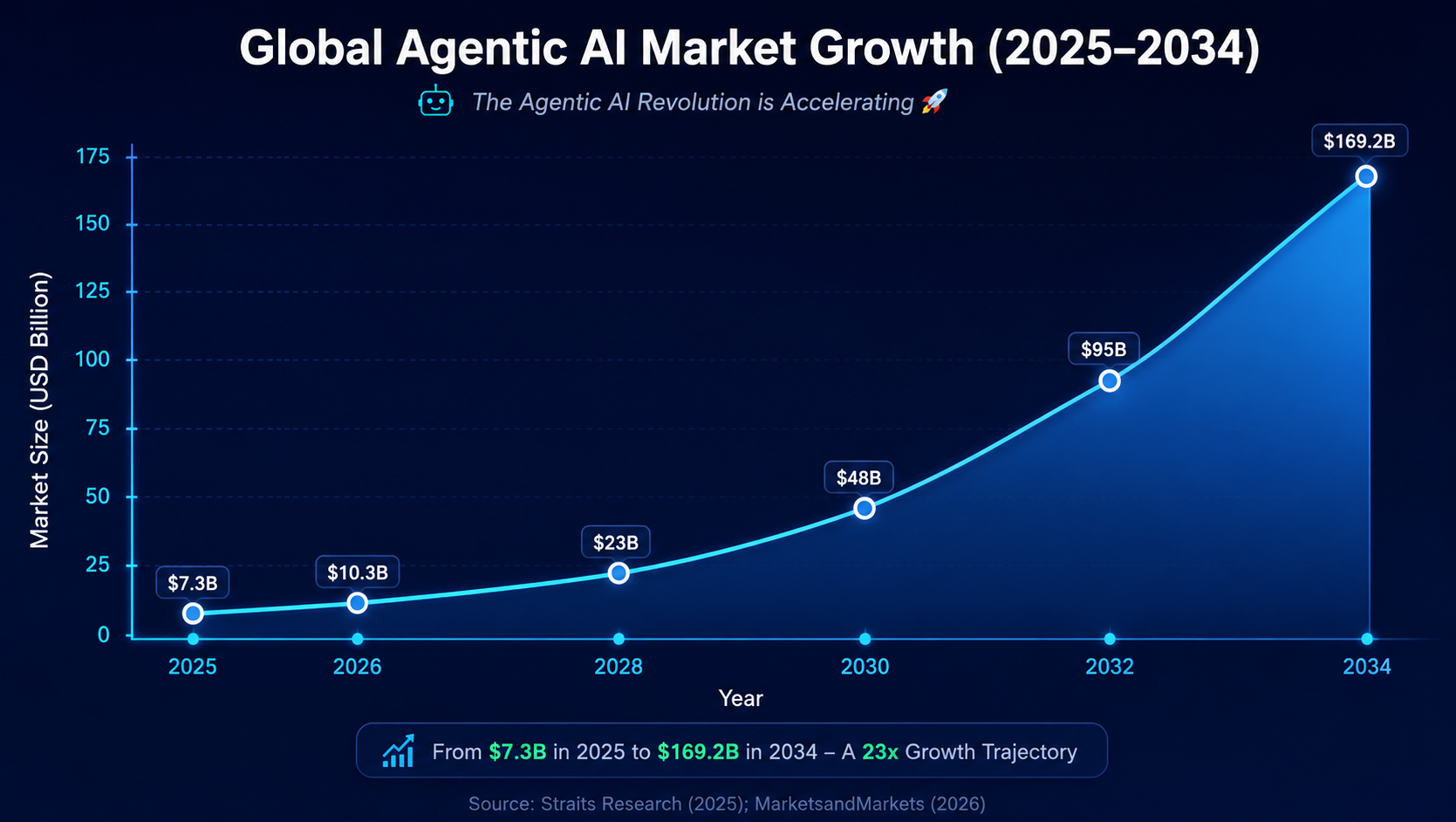
The market for AI is growing very quickly. It is expected to grow at a rate of over 40%, per year until the early 2030s. This is because big companies are starting to use AI in real-life situations not just testing it out.
Key Takeaways
• Agentic AI is the kind of AI that can make plans take action and finish tasks with not a lot of supervision from people
• It is different from the kind of AI that just generates content because agentic AI focuses on what to do and how to do it not just making things
• Companies use AI to do research, automate tasks provide support keep an eye on things and make sure everything runs smoothly
• OneLeap’s AI Engineering Mastery is related to agentic AI because it teaches about agents, RAG, frameworks, how to put things into action and how to be safe
• The best way to learn about agentic AI is by starting with the basics working on projects and using tools that are used in real life
• People who are just starting out should focus on learning Python how to use APIs, RAG, agent frameworks and how to evaluate things
Table of Contents
- What Is Agentic AI?
- Why Agentic AI Matters in 2026
- How Agentic AI Works
- Core Components of an Agentic AI System
- Tools and Technologies Used in Agentic AI
- Real-World Examples of Agentic AI
- Agentic AI vs Generative AI
- Best Practices for Learning and Building Agentic AI
- Common Mistakes to Avoid
- FAQs
- Final Summary
What Is Agentic AI?
Agentic AI is a type of AI that can take a task break it down into smaller steps , use the right tools and do the work with not a lot of help from people. In other terms ,Agentic AI is a system that can understand what is going on figure out what to do next and do the tasks without needing to be told what to do at every step.
MIT Sloan says that Agentic AI is a system that can work on its own with an no supervision and IBM says that Agentic AI can do a specific task with limited supervision, from people.
Why Agentic AI Matters in 2026
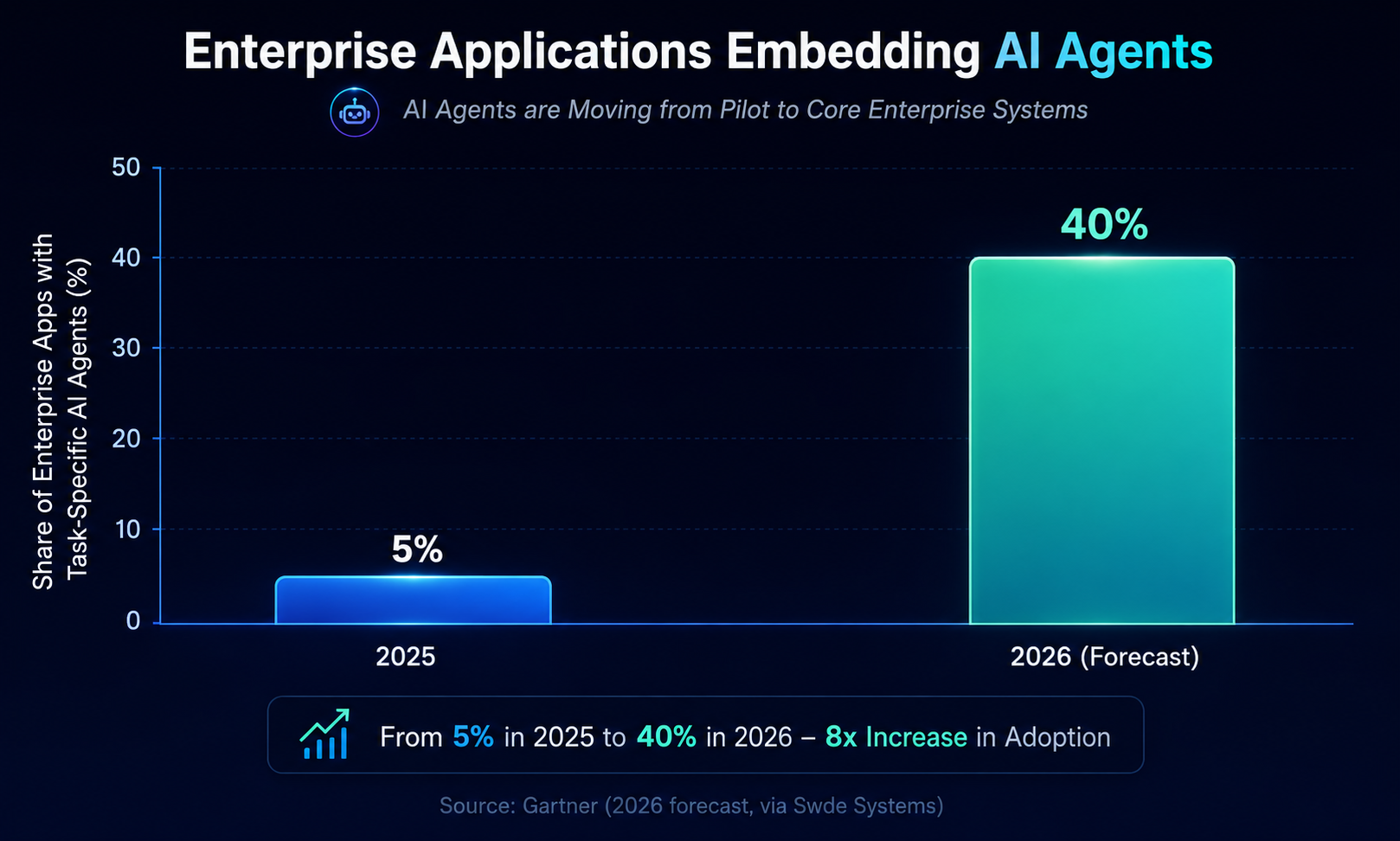
Agentic AI is important because it changes the way we use AI. It does not just give us answers, it actually does the work. This makes it really useful for businesses. It can do tasks that people have to do over and again help people make decisions faster and make it easier for teams to handle complicated work without needing someone to watch over them all the time.
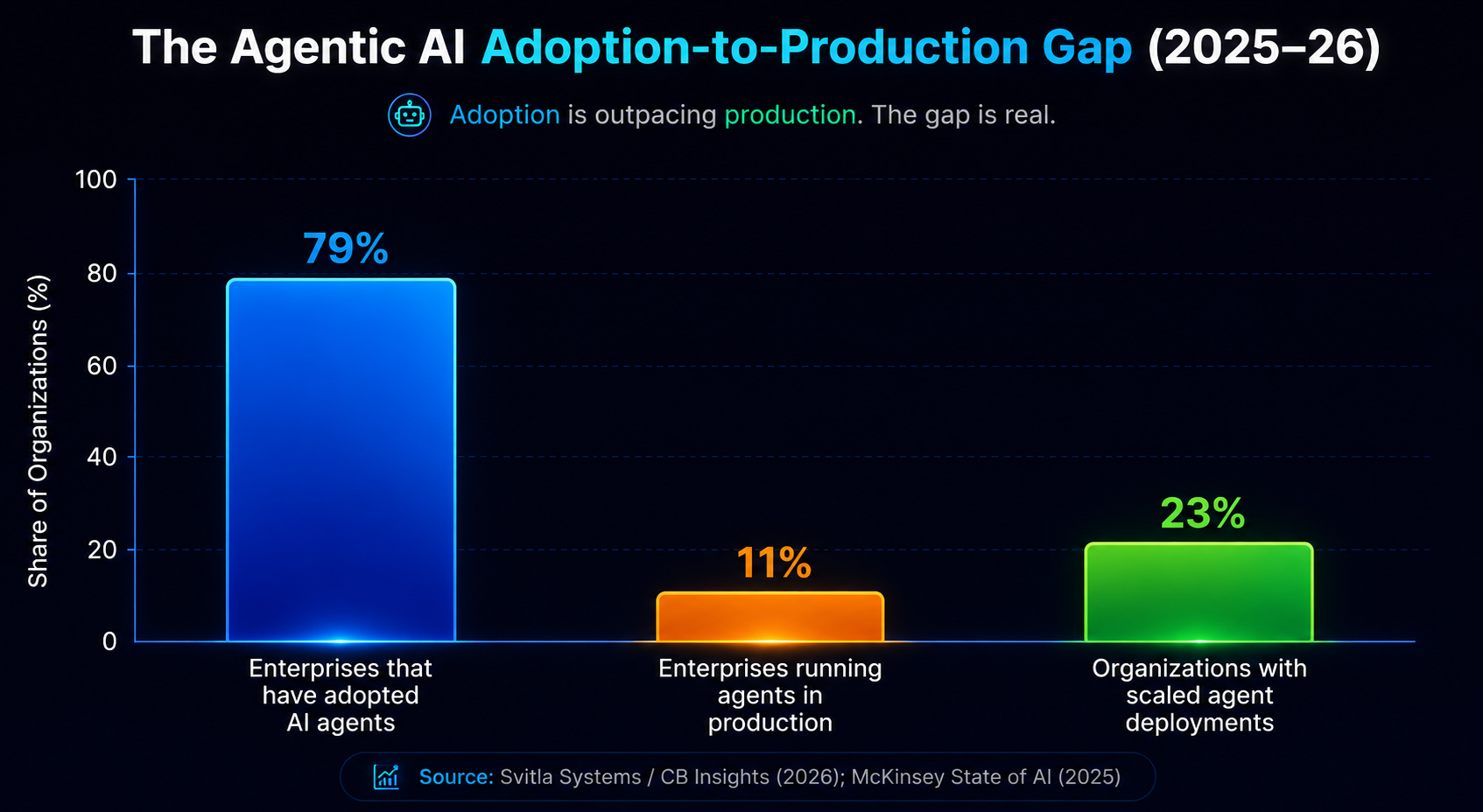
For companies ,Agentic AI is especially useful in areas where there are a lot of exceptions to the rules. This includes things like helping customers making sure we follow the rules, sales and finding information inside the company. Some reports from 2026 talk about Agentic AI as a way to have coworkers that can help us get more work done be more productive and be better than other companies.
Agentic AI also matters for people’s jobs. The skills we need to work with Agentic AI like using tools and working with systems are becoming more important than just knowing how to write prompts. People who understand how Agentic AI works can get jobs in areas, like AI engineering, automation and applied Artificial Intelligence systems. They can do valuable work and have more opportunities. Agentic AI is changing the way we work with AI. It is important for people to learn about it..
How Agentic AI Works
Agentic AI systems operate in a continuous loop of reasoning and action:
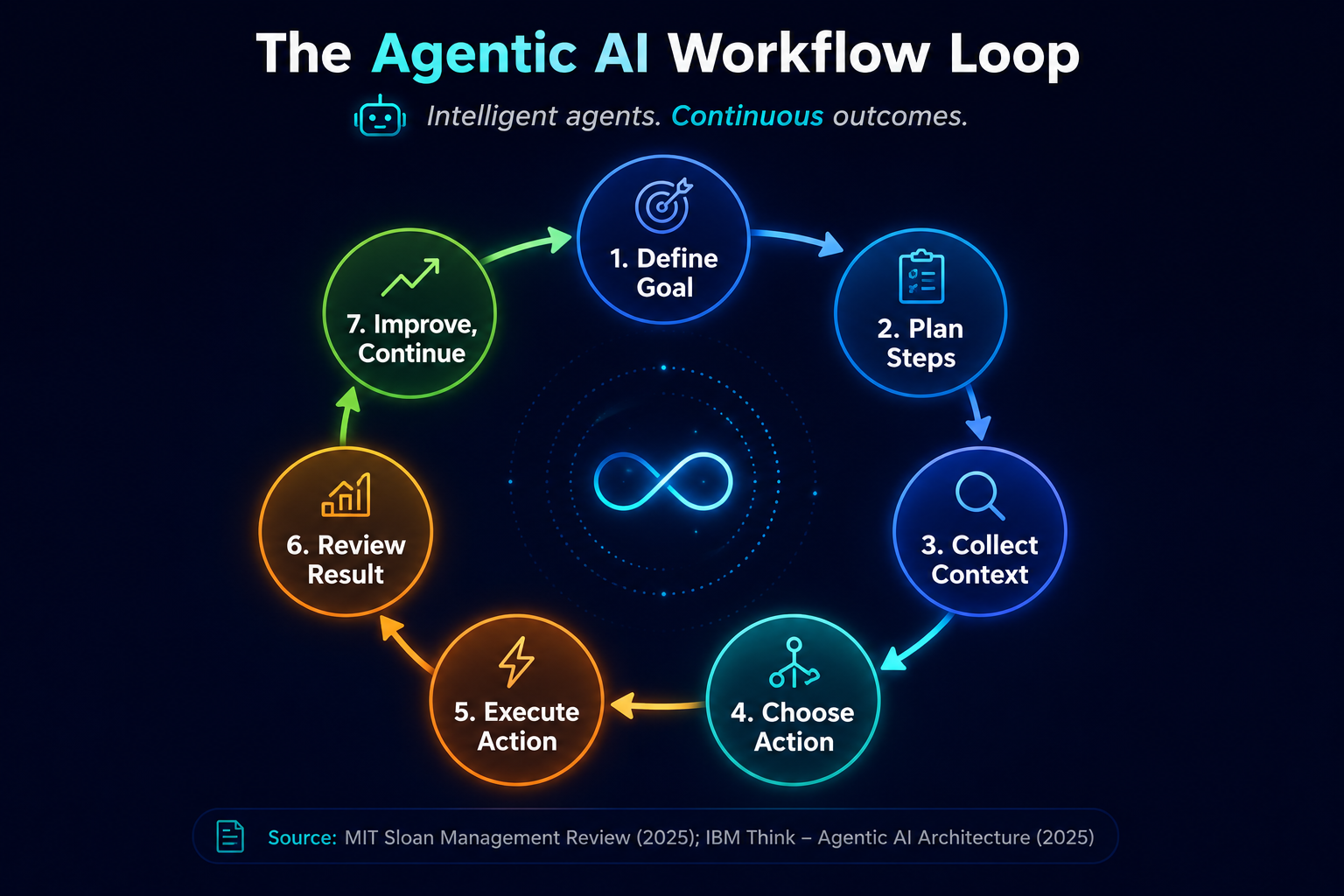
Step 1: Define the goal
The agent has a task to complete such as finding out something, answering a question or summarizing a document. This is what the agent is trying to accomplish. The agent’s goal is to complete this task.
Step 2: Break the task into steps
Instead of trying to do everything at the same time, the agent plans out what to do step by step. The agent takes one step at a time to make the task more manageable. This way the agent can focus on one thing at a time.
Step 3: Collect context
The agent needs to understand the situation so it gathers information from documents, tools and databases. The agent uses this information to get an understanding of what’s going on. The agent collects as much context as possible to help it complete the task.
Step 4: Choose the action
Now the agent decides what to do like searching for something ,summarizing a text or using a tool. The agent has to figure out what the best course of action is. It then chooses the action that will help it complete the task.
Step 5: Execute the action
The agent uses tools to complete the task. This is where it actually does the work. The agent uses the tools to execute the action it chose.
Step 6: Review the result
The agent checks if the output is correct and useful. It wants to make sure that what it did was right and helpful. Then it reviews the result to see if it needs to make any changes.
Step 7: Improve or continue
If the task is not finished the agent tries again. It keeps doing this until the goal is achieved. The agent does not stop until it has completed the task, which is basically the goal of the agent. It will keep trying until it completes the task.
Core Components of an Agentic AI System
| Component | What It Does | |
| Perception | Reads input from users, data, or systems | |
| Planning | Breaks goals into smaller actions | |
| Tool Use | Calls APIs and external tools | |
| Memory | Maintains context across steps | |
| Evaluation | Checks output quality | |
| Orchestration | Coordinates multiple agents |
Tools and Technologies Used in Agentic AI
| Category | Tools Used |
| Programming | Python |
| Foundation Models | OpenAI, Claude |
| Agent Frameworks | LangChain, LangGraph, OpenAI Agents SDK, Claude Agent SDK |
| Retrieval | LlamaIndex, Pinecone, FAISS, Chroma, Weaviate |
| ML / DL | PyTorch, TensorFlow, Transformers, PEFT |
| Deployment | FastAPI, Docker, Kubernetes, vLLM, TensorRT |
| UI / Apps | Streamlit, Gradio, Claude Code, Cursor |
| MLOps / Monitoring | MLflow, Weights & Biases |
| Cloud | Azure, Google Cloud Platform |
| Visual AI | Stable Diffusion, LoRA |
For a beginner, this means the course is not limited to theory; it covers the tools needed to build, test, and deploy real AI systems.
Agentic AI vs Generative AI
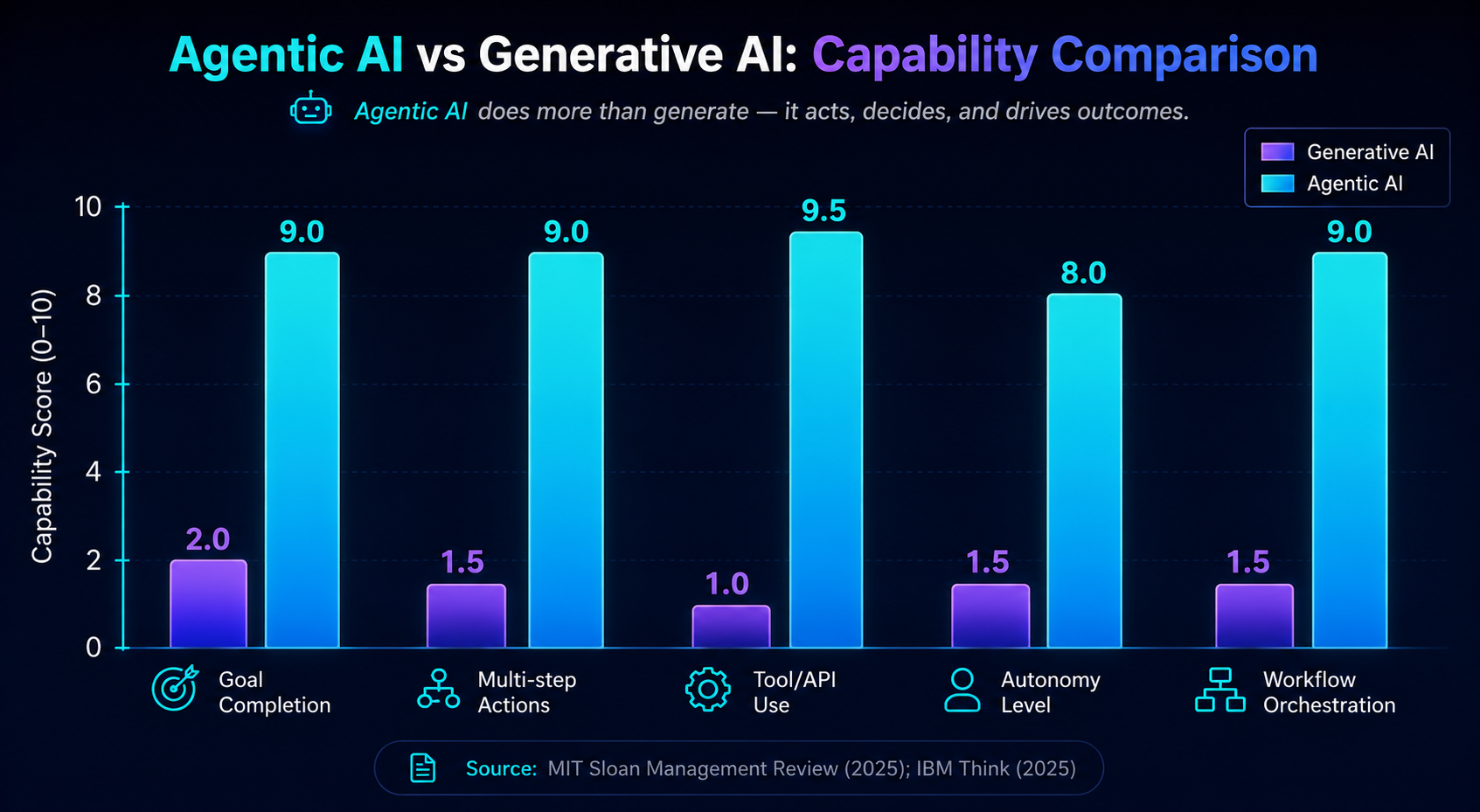
| Aspect | Generative AI | Agentic AI |
| Main job | Create content | Complete goals |
| Output style | One response at a time | Multi-step action sequences |
| Tool use | Limited | Built to use tools and APIs |
| Supervision | Needs frequent prompting | Works with limited supervision |
| Best use | Writing, summarizing, ideation | Research, automation, orchestration |
Real-World Examples of Agentic AI
1) Customer Support Automation
Problem- Support teams receive large numbers of repetitive queries regarding order status, refunds and account issues.
Solution- An agentic AI system reads the request, checks the relevant database, sends the answer and intensifies only complex cases to a human.
Result- Faster response times and less manual work for support staff.
Impact- Businesses can handle more tickets without increasing headcount while customers get quicker help.
2) Research and Document Analysis
Problem- Teams waste hours searching along long documents, reports and internal files to find the right information.
Solution- An AI agent searches multiple sources, extracts the important parts and creates a structured summary or report.
Result- The work that used to take hours can be done much faster and more consistently.
Impact- Analysts, HR teams, legal teams and managers save time and make better decisions with less effort.
3) Code Review and Issue Resolution
Problem- Developers often spend very much time finding bugs, reviewing logs and identifying the cause of failed builds.
Solution- An agentic AI system monitors repositories, summarizes the root cause, suggests the required fixes and can even draft a pull request for review.
Result- Faster debugging and smoother development cycles.
Impact- Engineering teams reduce delays, improve software quality and focus on higher value work.
Best Practices for Learning and Building Agentic AI
- Start with ML and deep learning foundations before moving to agents
- Learn prompt engineering and evaluation early so you can test outputs properly
- Build RAG systems before trying advanced multi-agent setups
- Focus on production thinking, not just demos
- Use guardrails and observability from the beginning
- Practice with real projects that solve practical business problems
- Learn how to choose the right tool for the task instead of forcing one framework for everything
- Get comfortable with APIs, databases, and deployment basics
- Treat every project like a portfolio piece that can be shown in interviews
- Use OneLeap’s AI Engineering Mastery to build these skills through live classes and projects
Common Mistakes to Avoid
| Mistake | Why It Hurts |
| Treating agentic AI like a chatbot | It misses the whole point of action and orchestration |
| Skipping foundations | Weak understanding leads to weak systems |
| Ignoring evaluation | You cannot improve what you do not measure |
| Building only toy projects | Employers want proof of production thinking |
| Forgetting safety and guardrails | Agents can fail or behave unpredictably |
FAQs
Q1. What is Agentic AI?
Agentic AI is a type of AI that can plan and act on its own to achieve a goal than just responding to questions.
Q2. Is Agentic AI the same as generative AI?
No they are not the same. Generative AI is used to create content whereas agentic AI is used to complete tasks and workflows. Agentic AI is more focused on getting things done.
Q3. What should a beginner learn first?
If you’re just starting out I would recommend learning Python. Then you should learn the basics of machine learning ,how to work with prompts and then move on to learning about RAG and AI agents.
Q4. Which OneLeap course fits AI learning?
The AI Engineering Mastery course is a fit for learning about agentic AI. This course covers AI agents, frameworks, RAG, deployment and safety which are all important topics.
Q5. Is this course for advanced learners?
The AI Engineering Mastery course is designed for learners who have an understanding of Python and programming such, as software engineers, computer science graduates, data scientists and machine learning engineers..
Final Summary
Agentic AI is the step in the evolution of AI. These Agentic AI systems do not just give us answers they can make plans use tools and finish tasks with little help from people.
For people who are just starting out in 2026 ,a good way to start is to learn about the basics of AI first then build systems like RAG ,create Agentic AI agents and figure out how to get them working together smoothly.
| 🚀 Ready to Master Agentic AI? Join OneLeap Dehradun’s AI Engineering Mastery Course and learn to build real AI agents with hands-on industry projects. The course covers agent frameworks, RAG, multi-agent orchestration, deployment, and safety — visit OneLeap Dehradun to get started. |
Stay updated with the latest AI, Data Science, and Automation insights by following OneLeap on LinkedIn and Instagram.

Leave a Reply